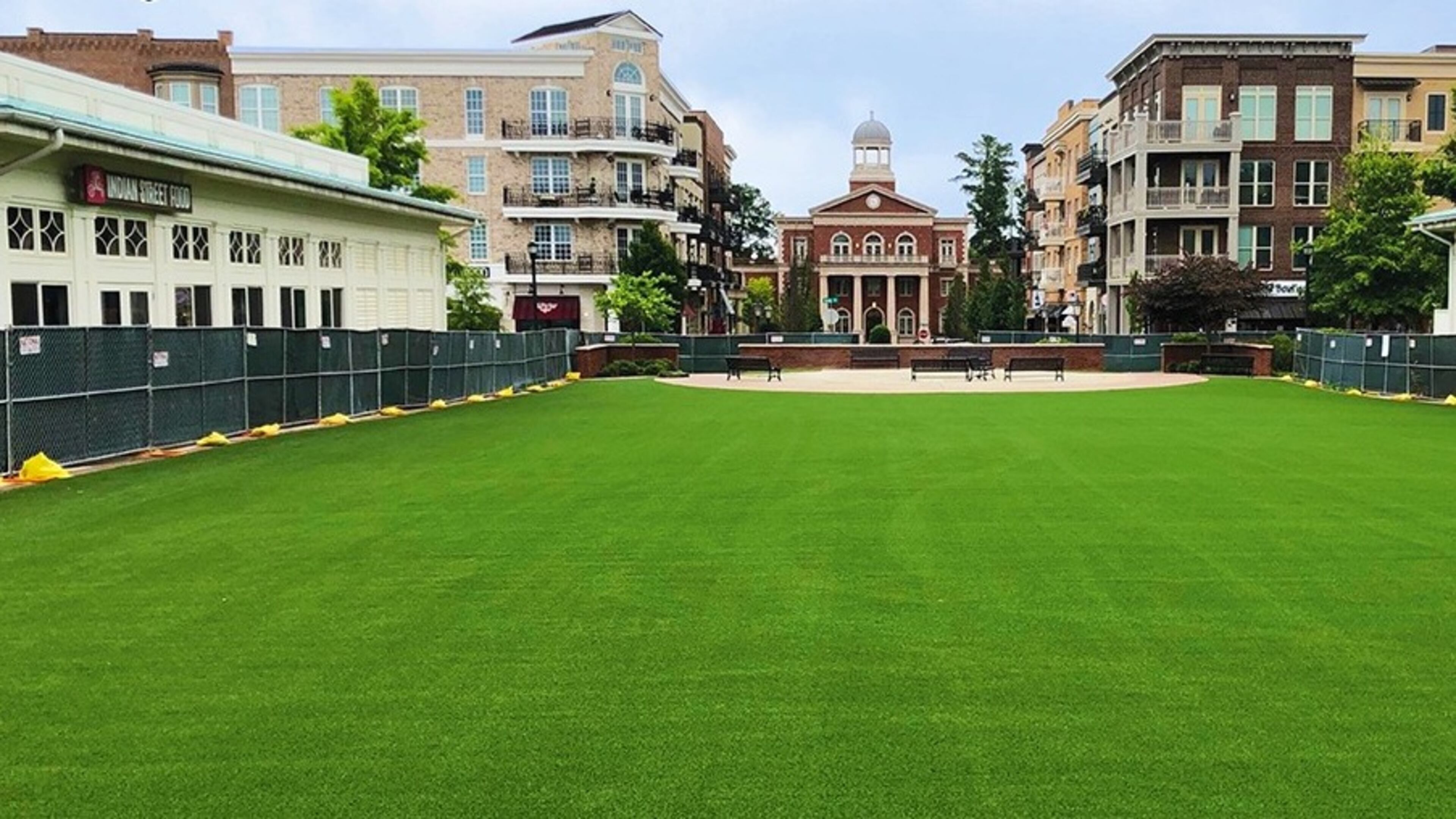
Service Overview
Artificial turf systems have a service life. In the Gulf Coast climate, the combination of UV exposure, high heat, heavy rainfall, and organic debris accumulation from the tree types common in Pasadena's neighborhoods typically brings a well-installed system to end-of-life in twelve to eighteen years. Systems that were installed without adequate drainage, on poorly prepared subbases, or with lower-quality surface materials may need replacement significantly sooner.
For healthcare-employee households in Pasadena who installed their first artificial turf system a decade ago and are now looking at a surface that has faded, lost its pile height recovery, or developed drainage failures that maintenance visits cannot correct, replacement is a different decision than the original installation. The subbase may be in decent condition and require only light regrading rather than full reconstruction. The drainage outlets may be intact and reusable. Or the field review may reveal that the original installation cut corners that are now compounding into systemic failures. A replacement assessment from Turf Installation of Pasadena distinguishes between those scenarios and builds a scope that addresses the actual conditions rather than defaulting to full demolition when it is not warranted.
Commercial replacement projects along the Pasadena Memorial Hospital corridor and adjacent healthcare campuses often involve surfaces that have been in place for years and have reached the point where maintenance can no longer restore the appearance and performance expected for patient-facing and employee-facing environments. Replacement planning for commercial properties requires coordination of access windows, staging areas, and operational continuity that residential work does not. We structure commercial replacement scopes around those requirements from the assessment through project closeout.
Turf Installation of Pasadena approaches every replacement project with a documented assessment of the existing system, clear communication about what will be retained, corrected, or replaced entirely, and a finished installation that incorporates what we have learned about the site's specific drainage behavior, soil conditions, and use patterns over time.
What Is Included in Artificial Turf Replacement
Replacement scopes are built around the actual condition of the existing system and the site-specific requirements confirmed by field assessment.
Existing System Assessment
Evaluation of the current surface condition, subbase integrity, drainage system performance, and edge anchor condition to determine what can be retained and what requires replacement.
Surface Removal and Disposal
Removal of the existing turf panels and infill material, with disposal coordinated and included in the project scope.
Subbase Evaluation and Correction
Assessment of the existing base material condition and any regrading, compaction repair, or drainage corrections needed before new surface installation.
Drainage System Review and Upgrade
Evaluation of existing drainage outlets and perforations with upgrade or replacement where current drainage capacity is inadequate for the property's rainfall management needs.
New Turf Installation
Installation of replacement surface material selected for the property's current use profile, sun exposure, and performance expectations, with attention to seam quality and edge detail.
Final Walkthrough and Documentation
Completion review covering installation quality, drainage performance, and updated maintenance guidance for the new system in the Gulf Coast climate.
Replacement Project Process
Our replacement process begins with a thorough assessment of the existing system so the replacement scope addresses the conditions that caused the original system to fail.
1. Assessment Request and Site Review
We review the existing installation, document visible failure conditions, and evaluate subbase and drainage system condition to build an accurate replacement scope.
2. Replacement Scope Development
A written scope is developed that distinguishes between what will be retained, what requires correction, and what will be fully replaced—with clear rationale for each decision.
3. Material Selection for Updated Requirements
Replacement surface material is selected based on current use profile, updated drainage capacity requirements, and any performance issues identified with the previous installation.
4. Removal and Subbase Work
Existing surface is removed, subbase is corrected where needed, and drainage system is upgraded if the assessment identified capacity or outlet issues.
5. New Surface Installation
Replacement turf is installed with current-standard seam techniques, edge anchor methods, and drainage integration suited to Pasadena's rainfall patterns.
6. Final Review and Updated Maintenance Guidance
Completion walkthrough confirms installation quality and provides updated maintenance documentation reflecting the new system's specifications and Gulf Coast upkeep requirements.
Replacement Scenarios in Pasadena
Artificial turf replacement in Pasadena is driven by several common scenarios across residential and commercial property types.
Aged Residential Installations in Established Pasadena Neighborhoods
Homes in older Pasadena neighborhoods where turf was installed ten or more years ago and has reached end-of-life through UV degradation, pile height loss, or drainage system failure.
Healthcare Campus Surface Upgrades
Medical office parks and clinical facility grounds near Pasadena Memorial Hospital, Houston Methodist San Jacinto, and HCA Houston Healthcare Pasadena where existing turf no longer meets appearance or performance standards.
Underperforming Original Installations
Properties where the original turf was installed on inadequate subbase preparation or with insufficient drainage capacity and has been failing progressively since early in its service life.
Post-Storm Damage Replacement
Surfaces damaged by hurricane-season flooding events, wind debris, or structural damage to the property that requires full replacement rather than targeted repair.
Why Pasadena Property Owners Choose Turf Installation of Pasadena for Replacement
Property owners who have had their original turf for a decade or more understand what worked about that installation and what did not. Turf Installation of Pasadena approaches replacement with respect for that history—documenting what failed, correcting the conditions that caused the failure, and installing a replacement system that is suited to the property's actual use and climate environment. For healthcare-employee households in Pasadena who made an investment in their property's yard and expect a replacement to last as long, that approach to root-cause correction matters as much as the finished surface appearance.
Replacement Cost Factors
Replacement project pricing in Pasadena depends on the scope of the existing system removal, subbase correction requirements, and the specifications of the new installation.
Existing System Removal Scope
Surface removal and disposal costs depend on the total area, infill volume, and the condition of the existing anchoring system. Dense infill loads and legacy anchor methods take more labor to remove cleanly.
Subbase Correction Requirements
Sites where the original installation had an inadequate subbase may require significant regrading or base material addition before new surface installation. The assessment determines whether existing base material can be reused or must be corrected.
Drainage System Upgrade Needs
Replacing or expanding drainage outlets, upgrading drainage layer materials, or correcting grade issues adds to replacement scope cost but is frequently the investment that makes the new installation perform significantly better than the original.
New Surface Material Selection
Replacement surface specifications—pile height, blade type, infill system, and antimicrobial treatment for pet areas—affect material cost and are matched to the property's current use profile.
Commercial Access and Operational Coordination
Replacement projects at commercial properties with operational constraints, access limitations, or phased replacement requirements involve coordination that affects scheduling and overall project cost.
Service Area Coverage
Replacement service coverage includes Pasadena, TX and surrounding communities: South Houston, TX, Deer Park, TX, La Porte, TX, Channelview, TX, Galena Park, TX, Webster, TX, Seabrook, TX, League City, TX, Friendswood, TX, Pearland, TX, Baytown, TX, Kemah, TX, and Houston, TX.
Frequently Asked Questions
How do I know if my turf needs replacement rather than repair?
The assessment process determines that. If the surface has reached end-of-life through UV degradation or pile height loss that cannot be reversed, or if drainage failures are systemic rather than localized, replacement is typically more cost-effective than continued repair. If the subbase is intact and the failures are localized, repair may extend useful life significantly.
Can the subbase from an old installation be reused for the replacement?
Often partially yes. The assessment evaluates existing base material condition, drainage layer performance, and compaction quality. Where the base is still performing adequately, we retain it and add correction only where needed rather than removing and replacing the full base.
How does Gulf Coast UV exposure affect turf service life?
High UV intensity during Pasadena's long summer seasons accelerates blade fiber degradation in lower-quality turf systems. Quality surface material with UV-stabilized fibers performs significantly better in this climate, and replacement is an opportunity to upgrade the surface specification if the original system underperformed.
Can replacement be phased for commercial properties?
Yes. For commercial properties where replacing the entire turf surface at once would disrupt operations, we develop phased replacement plans that allow areas to be replaced sequentially while maintaining property function.
What happens to the old turf and infill?
Removal and disposal of the existing surface material and infill is included in the replacement scope. Material handling follows local waste regulations and is coordinated by our crew.
Will a new installation last longer than the original?
A replacement that addresses the root causes of the original system's failure—subbase adequacy, drainage capacity, surface material quality—should match or exceed the original system's service life. We document what we corrected and why so the expected performance improvement is transparent.
Is replacement available in communities near Pasadena?
Yes. Replacement service covers Deer Park, La Porte, Webster, South Houston, Pearland, Friendswood, and other communities in the service area. Address confirmation is part of the scheduling process.