Step 1
Site Assessment
Drainage behavior, subbase condition, perimeter transitions, and use requirements are documented before any scope is developed.
Pasadena, TX Turf Services
About Turf Installation of Pasadena
Turf Installation of Pasadena works with healthcare-employee households, Pasadena ISD educators, multi-generational families, and commercial properties across the Pasadena region. Every project starts with a documented site assessment and ends with a surface that is engineered for Gulf Coast drainage conditions—not assumed adequate for them.
The nurses finishing twelve-hour shifts at Pasadena Memorial Hospital, the teachers wrapping up a full day at Pasadena ISD, the families whose grandchildren visit on weekends—these are the households that call Turf Installation of Pasadena. The common thread is practical: a yard that holds its appearance through Gulf Coast summers and hurricane seasons without demanding the weekend hours that healthcare and education schedules simply do not leave available.
We have worked throughout the San Jacinto College Central corridor, the Burke-Crenshaw and Strawberry neighborhoods, the Pasadena Heights area, and the commercial campuses near Pasadena Memorial Hospital and Houston Methodist San Jacinto. The soil conditions, drainage challenges, and seasonal weather patterns in this market are not assumptions we make—they are conditions we document on every project.
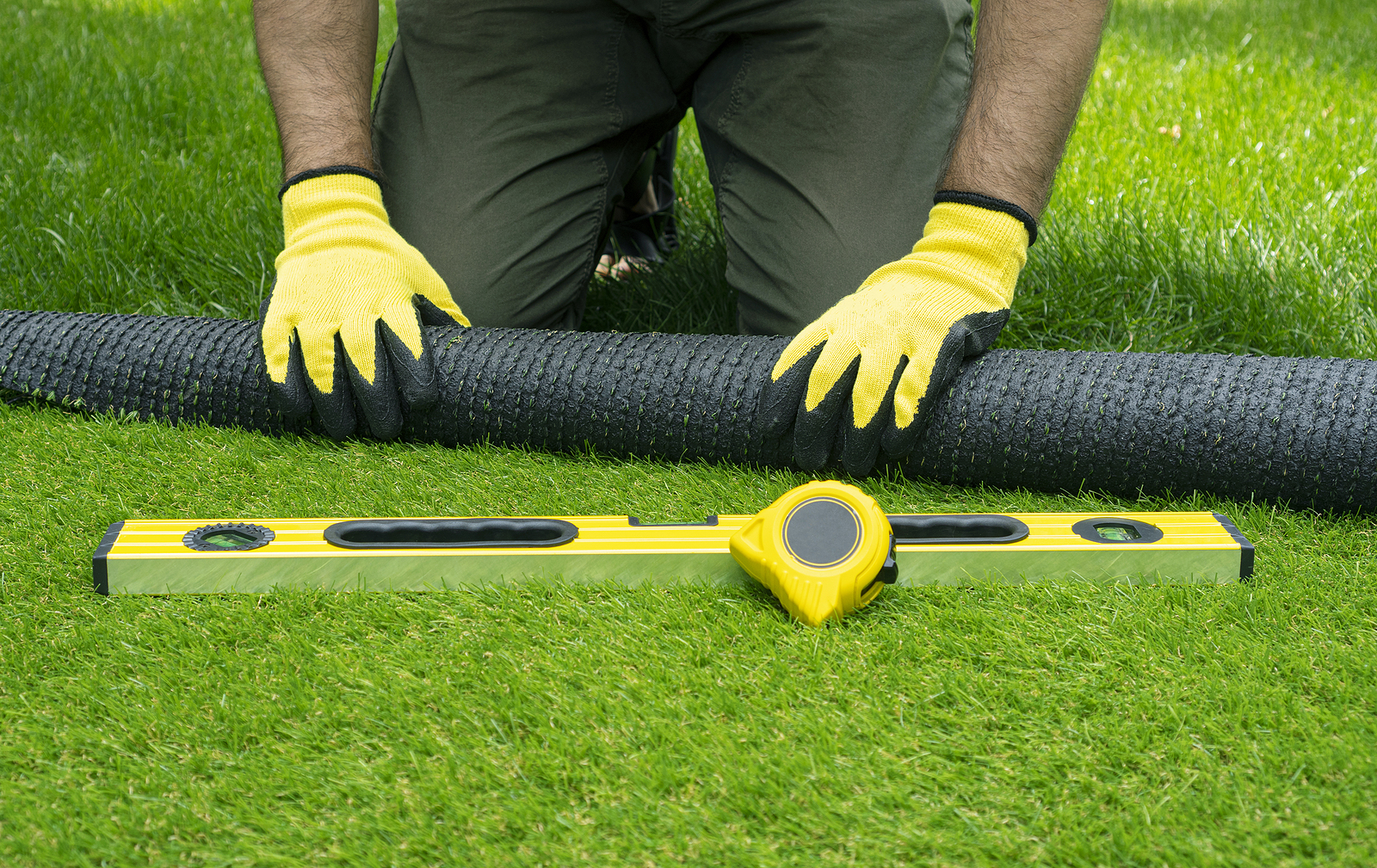
Pasadena's flat terrain, heavy clay soils, and hurricane-season rainfall create a drainage environment that generic artificial turf installations consistently underestimate. A turf system designed for Arizona's sandy subsoil and dry-season drainage assumptions will not hold up through the first Houston-area storm season.
Eastern Harris County clay expands and contracts significantly with the moisture cycling that the Gulf Coast climate delivers—dry summers followed by intense fall and winter rainfall events. That expansion and contraction stresses edge anchors and seam systems in ways that accumulate over seasons. The organic debris load from live oaks, pine trees, and sweet gum trees common in Pasadena's established neighborhoods compacts into drainage layers and infill at rates that inland climates do not produce. The UV intensity through Pasadena's long summer accelerates surface material degradation faster than manufacturers' generic estimates account for.
Turf Installation of Pasadena designs installation systems that account for these specific local conditions. Drainage engineering starts from the actual rainfall rates and terrain grades at each property. Subbase preparation depth is calibrated to the clay content found during site assessment, not assumed from a regional average. Anchor systems are specified for the seasonal movement that Pasadena clay soils actually produce. That is the difference between an installation that holds for twelve years and one that requires repair calls every second summer.
Harris County clay requires preparation depth and compaction standards that account for seasonal expansion and contraction. We document subbase conditions during assessment and calibrate preparation to what we actually find.
Flat terrain and hurricane-season rainfall intensity demand drainage engineering that is designed for Pasadena's actual rainfall rates—not passive slope drainage that relies on grade this terrain does not have.
Infill type, antimicrobial treatment for pet areas, and surface blade specification are matched to Gulf Coast humidity, UV intensity, and the organic debris environment in Pasadena's established neighborhoods.
The demand for residential artificial turf in Pasadena is concentrated in households connected to the healthcare and education employment corridors that define this city's workforce. Nurses, medical technicians, therapists, and administrative staff at Pasadena Memorial Hospital, Houston Methodist San Jacinto, and HCA Houston Healthcare Pasadena collectively represent thousands of Pasadena residents whose schedules leave minimal room for yard work. Pasadena ISD educators throughout the city's established neighborhoods face the same practical reality.
Multi-generational Pasadena households—families with roots in the city going back decades, grandparents whose properties are gathering places for extended families—represent another significant segment. The outdoor space at those properties matters. It needs to be clean, usable, and able to handle grandchildren, pets, and summer gatherings without requiring the homeowner to spend Saturday mornings managing it.
San Jacinto College Central campus is a community anchor that connects to thousands of Pasadena area households through students, faculty, and staff who live throughout the surrounding neighborhoods. The annual San Jacinto Battleground Day and the community events that define Pasadena's local identity are reminders that this is a city with pride in its history and its neighborhoods—and that extends to how people want their properties to look and function year-round.
Medical office parks adjacent to Pasadena Memorial Hospital, professional service campuses near the Town Square corridor, and clinical support facilities throughout the healthcare employment zone all face commercial exterior surface requirements that residential contractors do not typically handle well.
Appearance standards for patient-facing and professional environments are specific. Scheduling coordination around clinical operations, shift-change access windows, and facility management protocols requires communication discipline that general contractors often lack. Drainage at healthcare facility entrances creates slip hazard and liability concerns that make drainage failure an operational issue, not just a cosmetic one.
Turf Installation of Pasadena handles commercial installation and maintenance for healthcare corridor properties with the same documented process and clear communication we provide residential clients. Scope is written before work begins. Access coordination is planned around facility schedules. Final walkthroughs confirm every component of the installed system before the project is closed.
Process
Every project—residential or commercial, installation or repair, Pasadena or the broader service area—follows the same documented process. No assumptions about what the site needs before we have seen it. No material commitments before the scope is agreed on in writing. No completion call before the surface has been walked through with the homeowner or facility manager.
Step 1
Drainage behavior, subbase condition, perimeter transitions, and use requirements are documented before any scope is developed.
Step 2
You receive a plain-language scope covering preparation sequence, materials, timeline, and what to expect at each phase.
Step 3
Subbase preparation, drainage integration, surface placement, and edge finishing are completed in documented sequence.
Step 4
We confirm completed scope, review surface performance, and provide Gulf Coast-specific maintenance guidance before calling the project done.
Our primary service center is Pasadena, TX—the San Jacinto College area, Burke-Crenshaw, the healthcare corridor, Pasadena Heights, and surrounding neighborhoods. From there we route to South Houston, Deer Park, La Porte, Channelview, Galena Park, Webster, Seabrook, League City, Friendswood, eastern Pearland, Baytown, Kemah, and southeast Houston communities near the Pasadena border.
Routing availability for specific addresses in the outer service area is confirmed during project intake. If you are outside our routing zone, we will tell you directly rather than scheduling a visit we cannot service efficiently.
View Service AreasNext Step
Whether you are a nurse in the Strawberry area who needs a yard that holds through your shift schedule, a multi-generational family in Burke-Crenshaw looking for a surface that handles grandchildren and the dog, or a facility manager at a healthcare campus near Pasadena Memorial Hospital—we start with your site, your conditions, and your goals.